
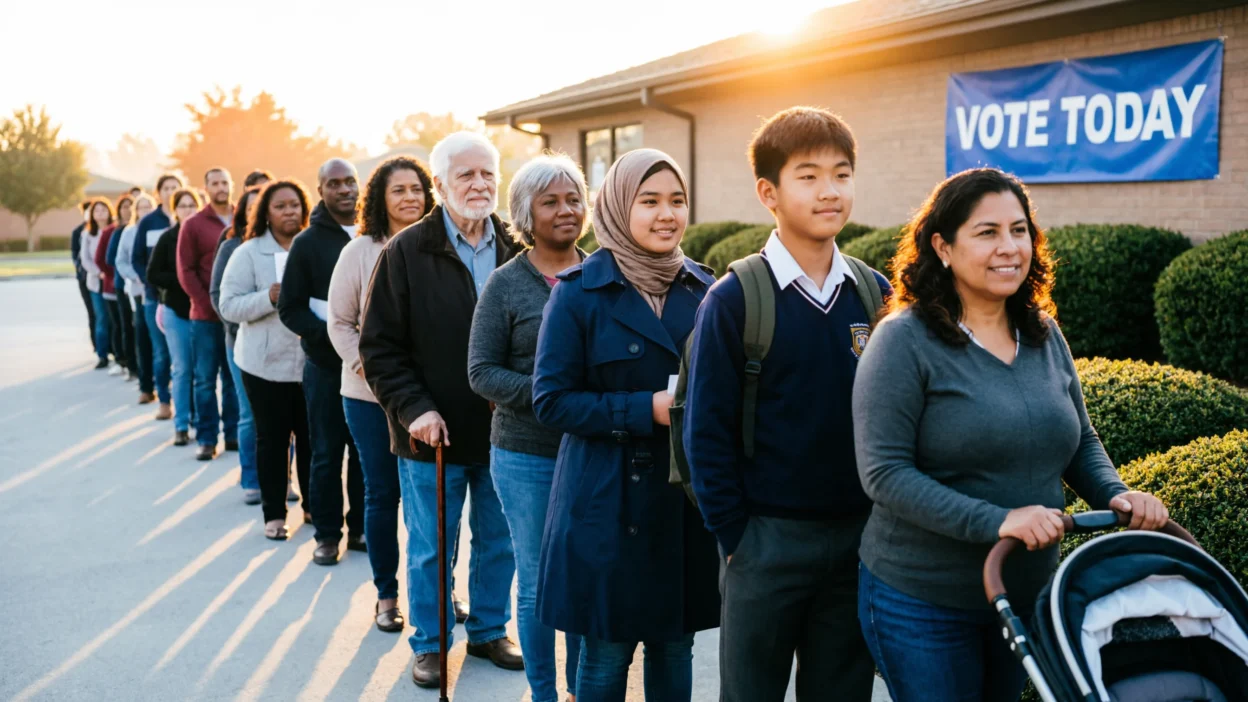
“Vote or die” is a dramatic phrase often used to grab attention. It doesn’t mean anything literal it’s about urgency. The message is simple: your voice matters, and choosing not to use it can mean missing your chance to shape the future.
In reality, voting is a personal right. No one should feel forced. But understanding its value can help you make informed decisions.
Why Voting Matters in Everyday Life
Voting is one of the most direct ways people can influence decisions in their country. It connects everyday voices to leadership and policies.
When people vote, they help decide:
- Who leads their communities
- What laws are created or changed
- How resources are used
Even one vote contributes to a larger collective voice.
The Power of One Vote
It’s easy to think one vote doesn’t matter—but history shows otherwise. Many elections around the world have been decided by very small margins.
Your vote is:
- A way to express your opinion
- A chance to stand for what you believe in
- A contribution to your community’s future
Small actions, when combined, create real change.
Why Some People Don’t Vote
Not everyone participates in elections, and there are many reasons:
- Feeling like their vote won’t make a difference
- Lack of information about candidates or issues
- Busy schedules or access challenges
- Disinterest in politics
Understanding these reasons can help people address them and make more informed choices.
The Importance of Informed Voting
Voting is most powerful when it’s informed. That means taking time to understand:
- Candidates and their values
- Key issues that affect your life
- Different perspectives
Being informed helps you vote with confidence and clarity.
How to Prepare for Voting
If you decide to vote, a little preparation can make the process easier:
- Check your voter registration status
- Learn about candidates and issues
- Know your polling location or voting method
- Plan your time in advance
These simple steps can remove stress and make participation smoother.
Voting as a Personal Choice
It’s important to remember that voting is a choice. Everyone approaches it differently based on their beliefs, experiences, and circumstances.
Respecting different viewpoints is part of a healthy society. Whether someone votes or not, open dialogue matters.
Frequently Asked Questions
1. What does “vote or die” actually mean?
It’s a slogan meant to encourage people to take voting seriously, not a literal statement.
2. Is voting really that important?
Yes, it’s one of the main ways people can influence leadership and decisions.
3. Can one vote really make a difference?
In close elections, even a small number of votes can change outcomes.
4. What if I don’t understand politics?
You can start small—focus on issues that affect your daily life and learn step by step.
5. Do I have to vote?
No, it’s a personal choice, but understanding its impact can help you decide.
Final Thoughts
“Vote or die” may sound extreme, but the real message is about awareness and participation. Your voice has value, and using it thoughtfully can help shape the future around you.
Whether you choose to vote or simply learn more, staying informed is always a powerful step forward.

Daniel Whitmore is a faith-inspired author dedicated to writing content that uplifts and motivates. His focus is on hope, resilience, and moral clarity, offering readers guidance for navigating life with confidence and belief.