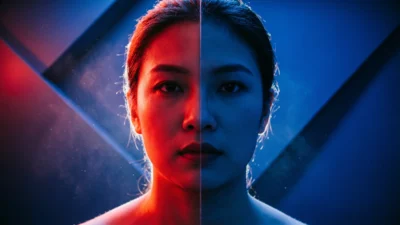
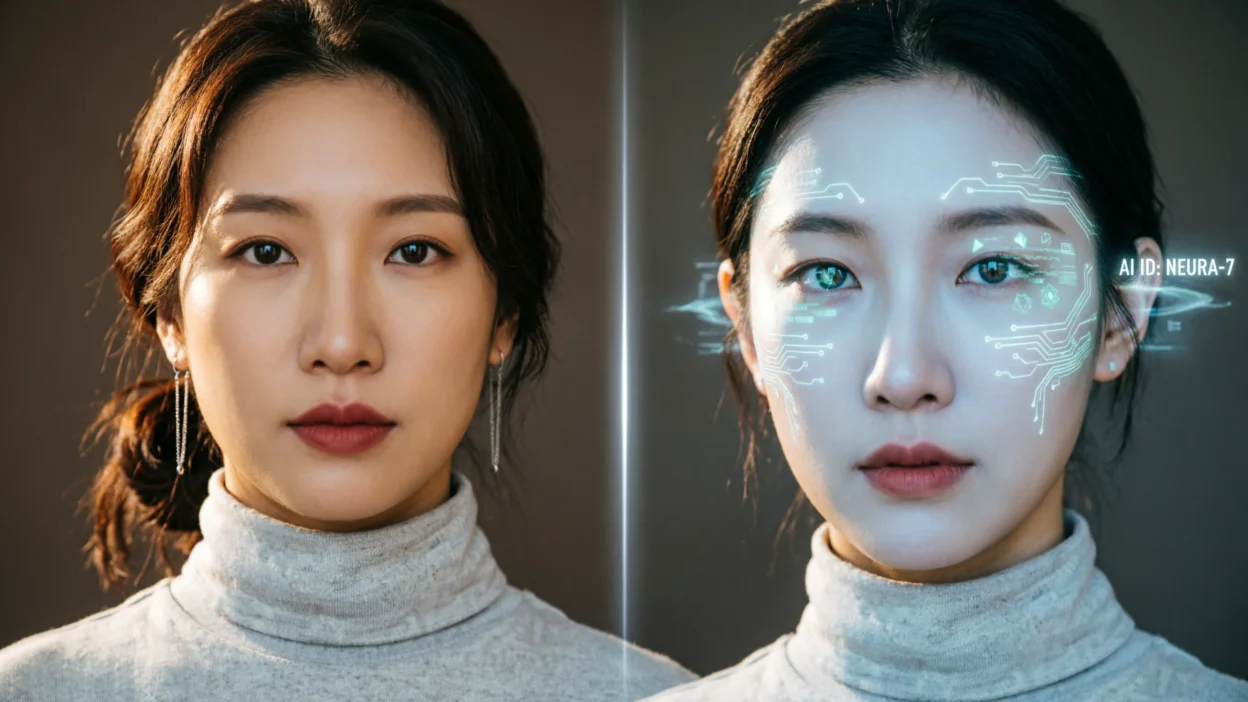
With artificial intelligence becoming more advanced, many people now ask the same question: “Is this real or AI?”
From images and videos to writing and voices, AI-generated content is everywhere online. Sometimes it’s obvious, but other times it can look surprisingly realistic. Learning how to recognize the difference is becoming an important digital skill.


6
What Does AI-Generated Content Mean?
AI-generated content is created using artificial intelligence tools trained on massive amounts of data.
This can include:
- Images
- Videos
- Voices
- Music
- Articles and text
Some AI creations are artistic and helpful, while others may be misleading if not clearly labeled.
How AI Images Differ From Real Photos
AI-generated images often look impressive, but small details can reveal the difference.
Common signs of AI-generated images:
- Unnatural hands or fingers
- Blurry background details
- Strange reflections or shadows
- Inconsistent text or symbols
- Overly perfect skin or lighting
Real photos usually contain natural imperfections and more consistent details.
Real or AI Writing: Can You Tell?
AI writing has improved quickly, making it harder to detect.
Possible signs of AI-written text:
- Repetitive wording
- Extremely balanced tone
- Generic examples
- Lack of personal experience or emotion
However, high-quality AI writing can sound very natural, especially after editing by humans.
AI Voices and Deepfakes
AI can now clone voices and generate realistic videos called deepfakes.
Warning signs:
- Lip-sync delays
- Robotic speech patterns
- Strange facial movements
- Unnatural blinking
As technology improves, identifying fake media becomes more challenging.
Why AI Content Is Growing So Fast
AI tools are becoming popular because they:
- Save time
- Create content quickly
- Help with creativity and productivity
- Reduce production costs
Businesses, creators, and students increasingly use AI in everyday tasks.
The Risks of AI-Generated Content
While AI offers many benefits, it also raises concerns.
Potential risks:
- Misinformation
- Fake news
- Identity misuse
- Scams and impersonation
That’s why critical thinking and verification matter more than ever.
How to Verify if Something Is Real or AI
Simple ways to check:
- Look closely at details
- Reverse-search suspicious images
- Check trusted sources
- Watch for inconsistencies
- Ask whether the content feels unnaturally perfect
Being careful online helps protect you from misinformation.
The Future of AI and Authenticity
AI technology will continue improving, and the line between real and artificial may become even harder to spot.
In the future, people may rely more on:
- Digital verification tools
- Watermarks
- Trusted platforms
- Media literacy skills
The goal isn’t to fear AI—but to understand it responsibly.
FAQ: Real or AI
1. Can AI images look completely real?
Yes, some AI-generated images can appear extremely realistic at first glance.
2. Is AI-generated content always bad?
No, AI can be useful for creativity, education, and productivity when used responsibly.
3. What are deepfakes?
Deepfakes are AI-generated videos or audio designed to imitate real people.
4. Can AI write human-like articles?
Yes, modern AI tools can produce very natural-sounding writing.
5. How can I avoid being fooled by fake content?
Verify information through trusted sources and pay attention to unusual details.
Final Thoughts
The question “real or AI” is becoming part of everyday life online. As artificial intelligence grows more powerful, learning how to recognize and evaluate digital content is essential.
AI itself is not the problem—misuse and misinformation are the real challenges. Staying informed, observant, and thoughtful can help you navigate the digital world more confidently.

Daniel Whitmore is a faith-inspired author dedicated to writing content that uplifts and motivates. His focus is on hope, resilience, and moral clarity, offering readers guidance for navigating life with confidence and belief.