
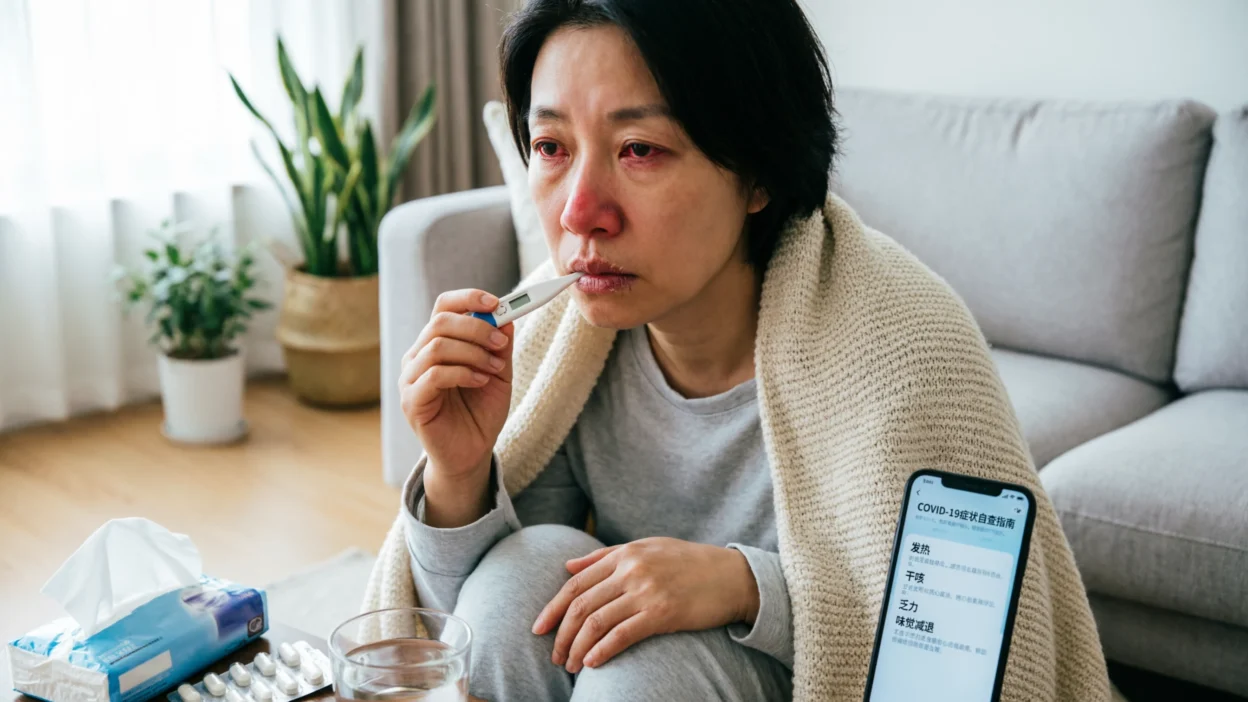
When you start sneezing, coughing, or feeling tired, it can be difficult to know whether you have COVID-19 or just a common cold.
Both illnesses can share similar symptoms, but there are important differences. Understanding them can help you take better care of yourself and protect others around you.
What Is the Common Cold?
The common cold is a mild viral infection that affects the nose and throat. Most people recover within several days to a week.
Common cold symptoms:
- Runny or stuffy nose
- Sneezing
- Mild cough
- Sore throat
- Mild tiredness
Colds usually develop gradually and are generally less severe.
What Is COVID-19?
COVID-19 is a contagious respiratory illness caused by a coronavirus. Symptoms can range from mild to more serious.
Common COVID symptoms:
- Fever or chills
- Dry cough
- Fatigue
- Body aches
- Loss of taste or smell
- Shortness of breath in some cases
Symptoms may appear differently from person to person.
Key Differences Between COVID and a Cold
| Symptom | Common Cold | COVID-19 |
|---|---|---|
| Sneezing | Common | Sometimes |
| Fever | Rare | Common |
| Loss of taste/smell | Rare | More common |
| Body aches | Mild | Often stronger |
| Fatigue | Mild | Can be significant |
| Breathing difficulty | Rare | Possible |
Because symptoms overlap, testing may sometimes be needed for clarity.
How Symptoms Usually Begin
Cold Symptoms
Colds often start slowly with:
- Sneezing
- Mild sore throat
- Congestion
COVID Symptoms
COVID can begin gradually or suddenly and may include:
- Fever
- Fatigue
- Strong body aches
- Dry cough
Some people experience only mild symptoms, while others feel much worse.
When to Consider Testing
You may want to test for COVID if:
- You were recently exposed to someone sick
- You develop fever or loss of taste/smell
- Symptoms feel stronger than a typical cold
- You plan to be around vulnerable people
Testing can help reduce the spread to others.
Caring for Yourself at Home
Whether it’s a cold or COVID, rest and hydration are important.
Helpful self-care steps:
- Drink plenty of fluids
- Get enough sleep
- Use warm liquids for comfort
- Follow medical guidance for fever or pain relief
Avoid spreading illness by staying home if you feel sick.
When to Seek Medical Help
Get medical attention if you experience:
- Trouble breathing
- Chest pain
- Severe dehydration
- High fever that doesn’t improve
- Symptoms rapidly worsening
Always take serious symptoms seriously.
Preventing Illness Spread
Simple habits can reduce the spread of both colds and COVID:
- Wash hands regularly
- Cover coughs and sneezes
- Stay home when unwell
- Keep shared spaces clean
Healthy habits protect both you and others.
FAQ: COVID or Cold
1. Can COVID feel just like a cold?
Yes, especially in mild cases. That’s why testing may sometimes be helpful.
2. Is loss of taste or smell more common with COVID?
Yes, it is more strongly associated with COVID than with a regular cold.
3. How long does a cold usually last?
Most colds improve within about a week.
4. Should I stay home if I only have mild symptoms?
Yes, staying home helps avoid spreading illness to others.
5. Can children get COVID and colds?
Yes, children can get both illnesses, often with mild symptoms.
Final Thoughts
Telling the difference between COVID or a cold can be challenging because symptoms often overlap. Paying attention to fever, fatigue, body aches, and loss of taste or smell may help you recognize the difference.
When in doubt, rest, care for yourself, and consider testing if needed. Staying aware and cautious helps protect both your health and the people around you.

Ethan Caldwell is a U.S.-based writer focused on faith, personal growth, and mindful living. His work explores how timeless values can guide modern life, helping readers find clarity, purpose, and inner strength through thoughtful reflection.